Seasonal realities across South Carolina
From the coast to the upstate, South Carolina experiences humidity, heat, storms, and occasional winter chill. Outdoor electrical systems face moisture, corrosion, and temperature swings. Planning around the seasons helps keep lighting and outlets reliable without surprises. The goal is to prevent wear before it shows up as failures in the dark or after a rain storm.
A year-round preventive routine
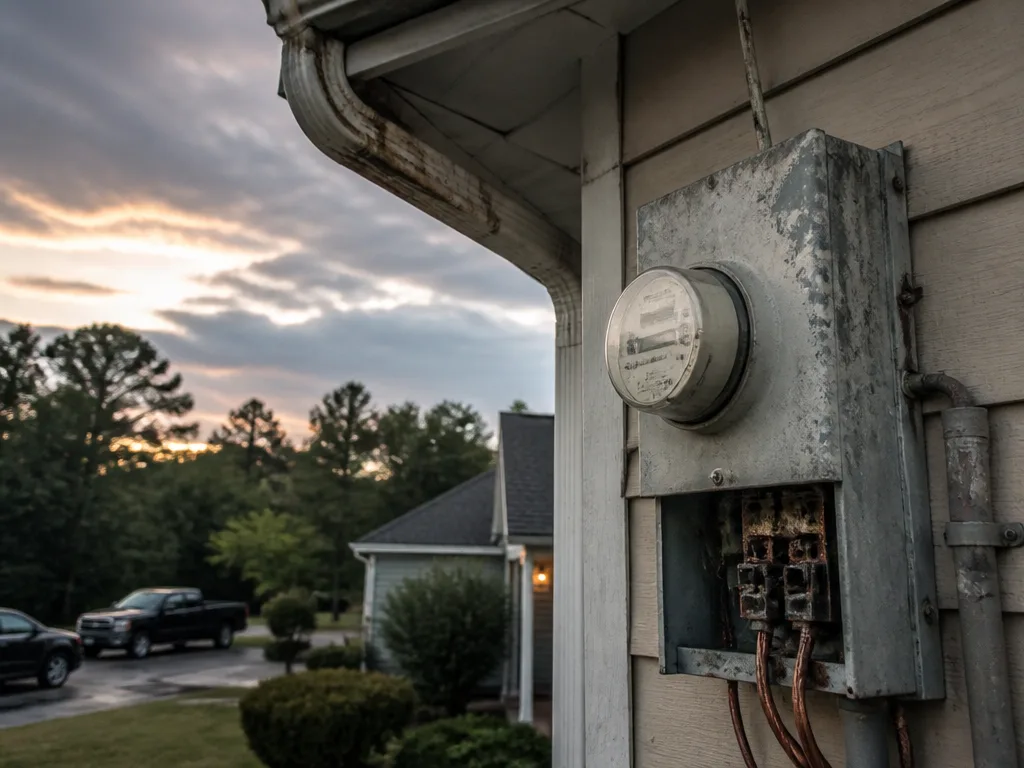
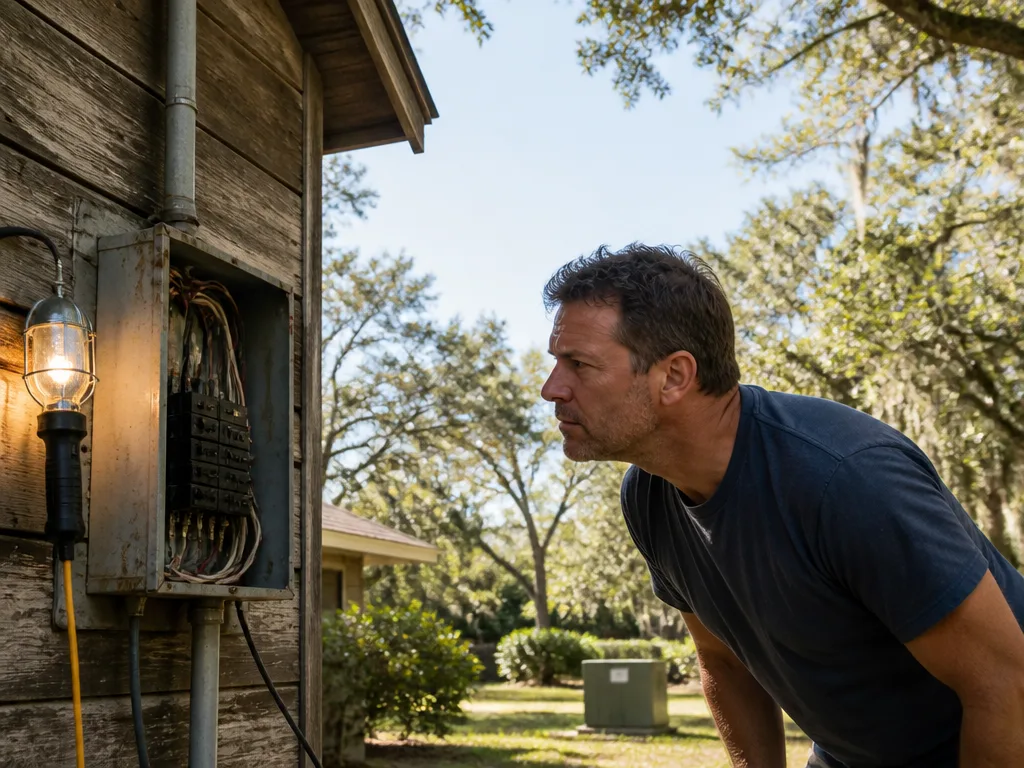
Start with a simple spring and fall check. A licensed electrician should inspect outdoor panels, weatherproof enclosures, and the grounding system. They’ll test GFCI outlets in damp locations and verify that all outdoor fixtures have proper seals. In South Carolina, regular cleaning of fixtures and ensuring proper drainage around electrical boxes helps prolong life and reduce fault risk.
During the humid months, inspect for corrosion on metal housings and screw heads. After heavy rain or tropical activity, check for moisture intrusion around weatherproof seals. If you see condensation behind a cover or a damp odor near a fixture, call an electrician to assess and reseal if necessary.
Season-specific care tips
Summer: keep fixtures clean and dry, use dusk-to-dawn controls to minimize wear, and verify that bug screens don’t block vents. Fall: inspect trees and branches that could damage lines during winds. Winter: ensure that outdoor circuits aren’t overloaded by heaters or portable devices. Spring: reseal any aging weatherproof seals and replace worn gaskets before the wet season returns.
Our crews in every South Carolina metro area are ready to help you implement a maintenance plan. South Carolina Outdoor Lighting can provide a multi-point seasonal checklist tailored to your home’s layout, landscape lighting, and power needs.
Smart maintenance actions
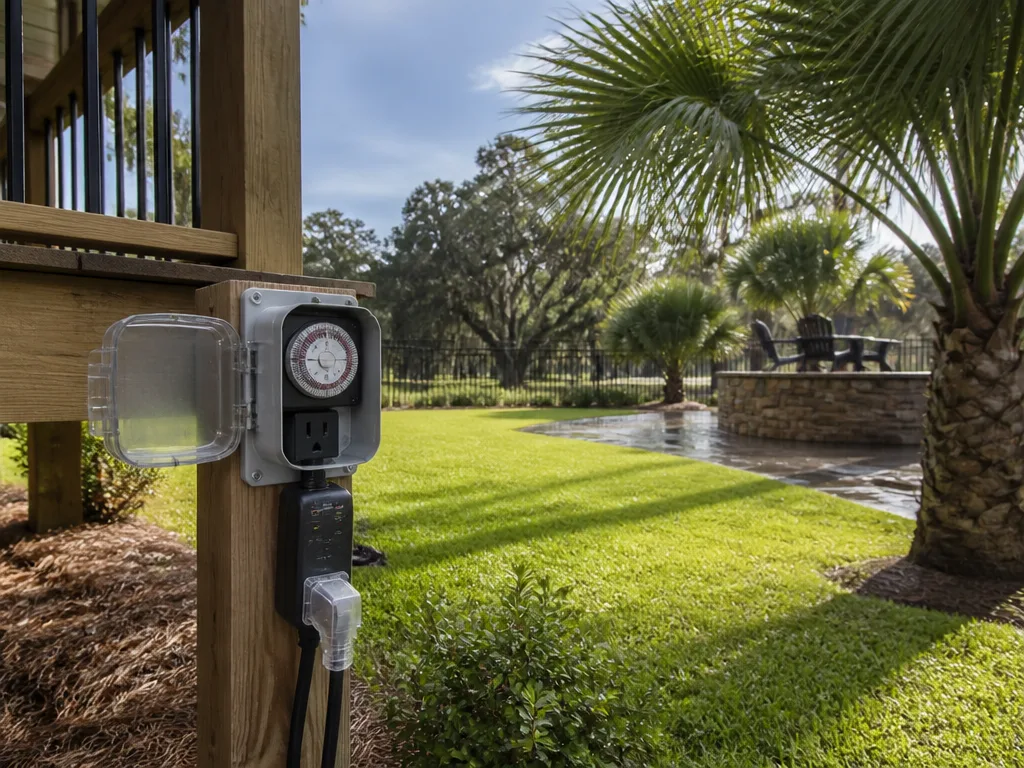
Keep outdoor boxes closed and sealed, replace damaged plugs promptly, and avoid stacking multiple devices on one circuit outdoors. If you’re upgrading to LED landscape lighting or adding outlets, plan the project with an electrician so wiring is sized correctly for the intended load and weather conditions. Preventive care isn’t glamorous, but it pays off in fewer outages and longer life for your outdoor lighting.